
Knitted in-house
Cotton Yarn
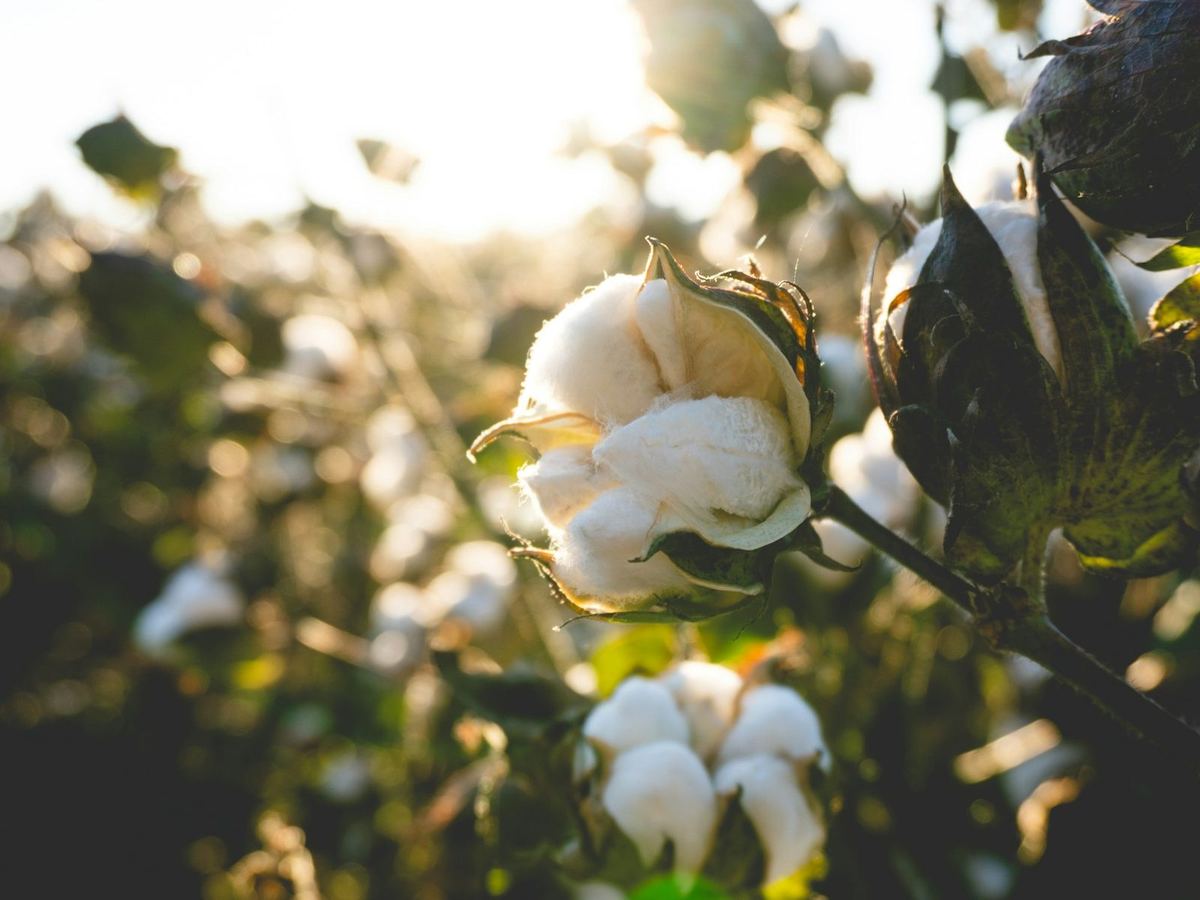
Combed cotton Ne 20/1–40/1, open-end Ne 28/1–30/1 and melange — for jersey, single jersey and home textiles.
ExploreSourcing • Yarn
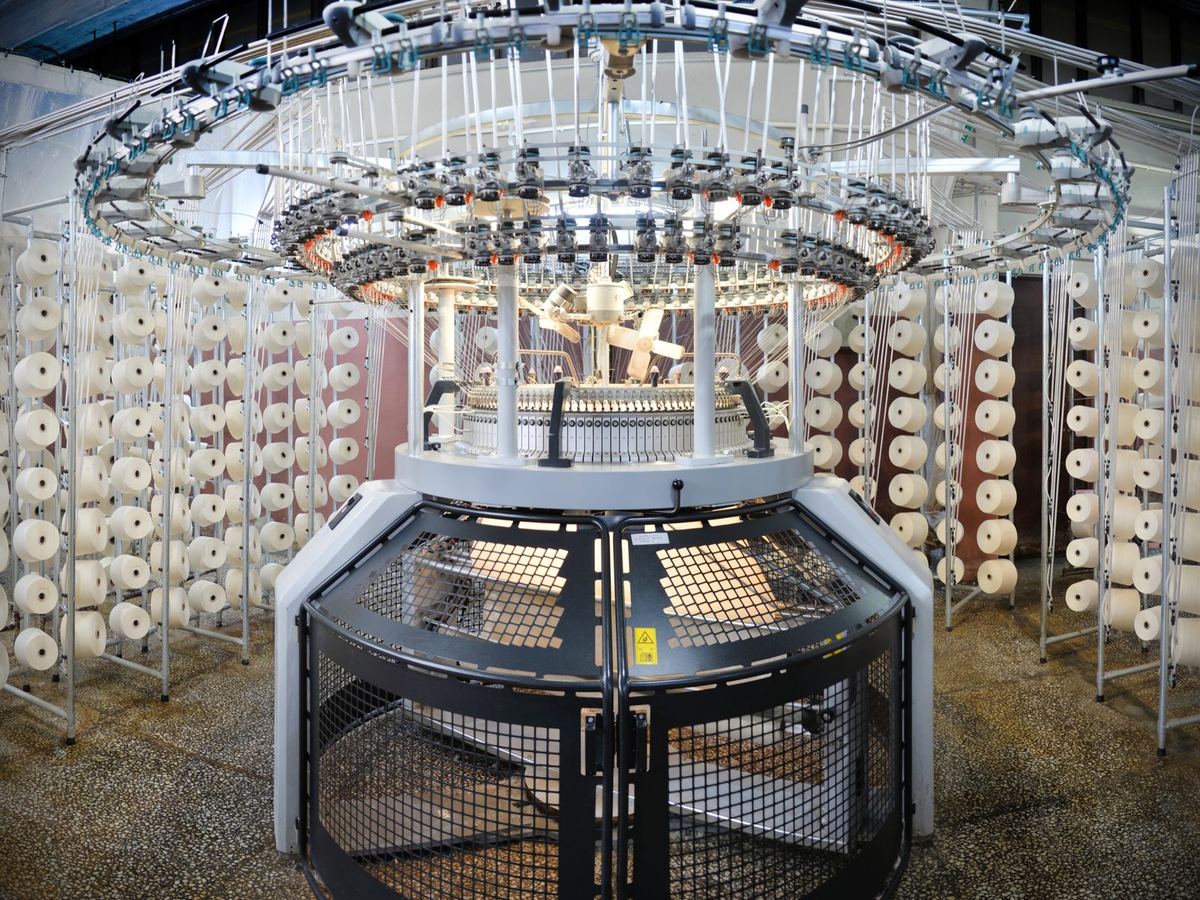
Kayteks does not spin yarn; we turn it into fabric on our own 30 circular knitting machines. The yarn qualities we run every day — combed and open-end cotton, organic and recycled cotton, modal, lyocell and blends — we also supply to you from the Turkish spinners we work with: with a sample cone, a lot test report and one point of contact.
01 Why Yarn From Kayteks
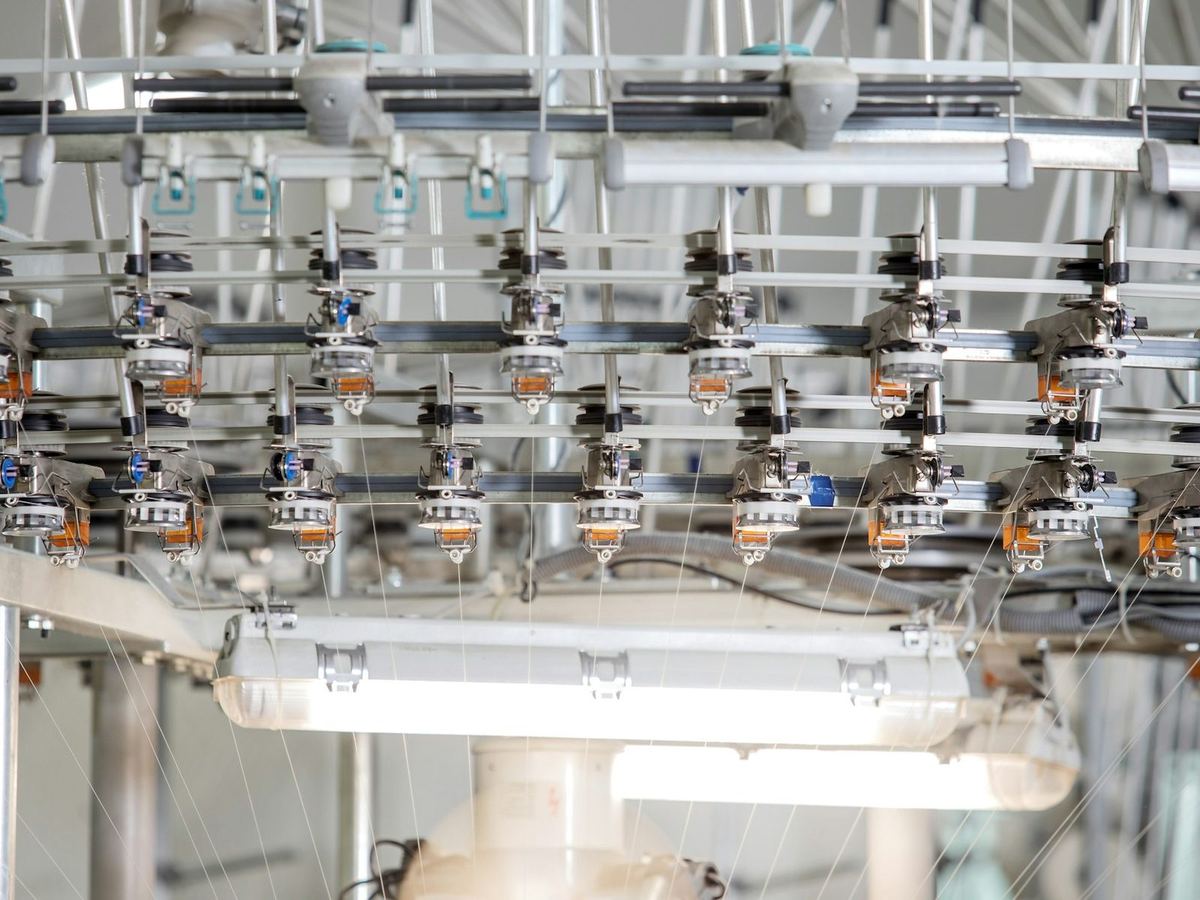
A yarn’s data sheet and how it actually runs on a machine are two different things. Neps, hairiness, unevenness and twist variation turn into needle breaks in knitting, cloudiness in the fabric and shade variation in dyeing. We see this every day in our own knitting hall.
That is why we source yarn with a user’s eye, not a trader’s: we know which spinner’s quality runs cleanly on circular knitting. Yarn is not spun in our own facility; we offer the qualities we knit ourselves and our partner spinners’ wider range, with Kayteks’ sampling and documentation discipline.
02 Yarn Groups
In every group we mark separately the yarns we actually knit in-house and those we supply on request from partner spinners.
Combed cotton Ne 20/1–40/1, open-end Ne 28/1–30/1 and melange — for jersey, single jersey and home textiles.
Explore
Lyocell (100% and cotton blends), modal/cotton; viscose and bamboo viscose from partner spinners.
Explore
Cotton/polyester, cotton/modal, lyocell/cotton, lyocell/linen and dyed combed yarn.
Explore
Organic cotton (GOTS/OCS), Better Cotton + recycled cotton, recycled polyester.
Explore03 Knitted In-House
The counts below are yarns we bought for our own knitting in 2025–2026. Other counts, plies and twists are confirmed with our partner spinners in the quotation.
| Yarn | Origin | Count (Ne) | Typical Use |
|---|---|---|---|
| Combed 100% cotton | Knitted in-house | 20/1, 26/1, 28/1, 30/1, 36/1, 40/1 | Jersey bedding, fitted sheets, single jersey |
| Open-end 100% cotton | Knitted in-house | 28/1, 30/1 | Mattress protectors, economy jersey |
| Organic cotton (combed, open-end, melange) | Knitted in-house | 26/1, 28/1, 30/1 | GOTS / OCS product lines |
| 80% cotton (Better Cotton) / 20% recycled cotton (OE) | Knitted in-house | 28/1, 30/1 | Recycled-content jersey |
| Lyocell 100% and lyocell/cotton 50/50 | Knitted in-house | 26/1, 28/1, 30/1 | Cool-touch premium bedding |
| Modal/cotton 50/50 | Knitted in-house | 28/1, 30/1 | Soft-handle jersey |
| Cotton/polyester 50/50 (OE) | Knitted in-house | 30/1 | Durability and easy care |
| Bamboo viscose, 100% modal, viscose, plied yarn | Partner spinner | On request | Knitting and weaving |
Ne = English cotton count; 30/1 = Ne 30, single ply. The higher the count, the finer the yarn.
04 Count Conversion
Yarn counts are written in different systems: Ne (English cotton count) and Nm (metric) are length-based, tex and dtex are weight-based. Conversion: Nm = 1.693 × Ne; tex = 590.5 ÷ Ne; dtex = 10 × tex.
| Ne | Nm | tex | dtex |
|---|---|---|---|
| 20/1 | 33.9 | 29.5 | 295 |
| 24/1 | 40.6 | 24.6 | 246 |
| 28/1 | 47.4 | 21.1 | 211 |
| 30/1 | 50.8 | 19.7 | 197 |
| 36/1 | 60.9 | 16.4 | 164 |
| 40/1 | 67.7 | 14.8 | 148 |
Values are rounded. For plied yarn (e.g. 30/2) the resultant count halves: 30/2 ≈ Ne 15.
05 Samples & Documents
Yarn decides quality before the fabric does — so we ask our spinners for measurable data with every price, and pass the same data on to you.
06
Yarn can be sourced on its own or together with fabric. We can knit the yarn you choose into single jersey, rib or interlock in our own knitting hall, and take it all the way to bedding and sheets if you wish.
FAQ
No. Kayteks does not spin yarn; it is a knitting and home textile manufacturer that turns yarn into fabric on its own circular knitting machines. The yarns we supply are the qualities we knit ourselves and products of the Turkish spinners we work with; sampling, lot reports and documentation run through Kayteks.
From our own knitting: combed cotton (Ne 20/1–40/1), open-end cotton (Ne 28/1–30/1), organic cotton, Better Cotton/recycled cotton, lyocell, modal/cotton and cotton/polyester yarns. Beyond these, we supply bamboo viscose, 100% modal, viscose and plied yarns from our partner spinners on request.
Ne (English cotton count) and Nm (metric count) are length-based: the higher the number, the finer the yarn. Tex is the weight in grams of 1,000 metres of yarn: the higher the value, the coarser the yarn. Conversion: Nm = 1.693 × Ne, tex = 590.5 ÷ Ne. For example Ne 30/1 ≈ Nm 50.8 ≈ 19.7 tex.
Yes — we source organic and recycled-content yarns from spinners certified to these standards. Certified goods need a transaction certificate (TC) for each shipment, and the TC chain depends on the certification scope of every company in the chain; we clarify your project’s document chain together at the quotation stage.
They depend on the yarn type, count and the spinner’s stock and production plan, and are set in the quotation. Send us your requirement (yarn, count, quantity, end use) and we will reply with samples and a price.
Tell us the yarn type, count (Ne), quantity and end use (knitting / weaving) — we will reply with samples and a price.