Short answer
- Penye is not a fabric or a material but a yarn preparation step: before spinning, cotton is combed to remove short fibres and neps. Yarn spun from this cotton is called penye yarn — combed yarn in English.
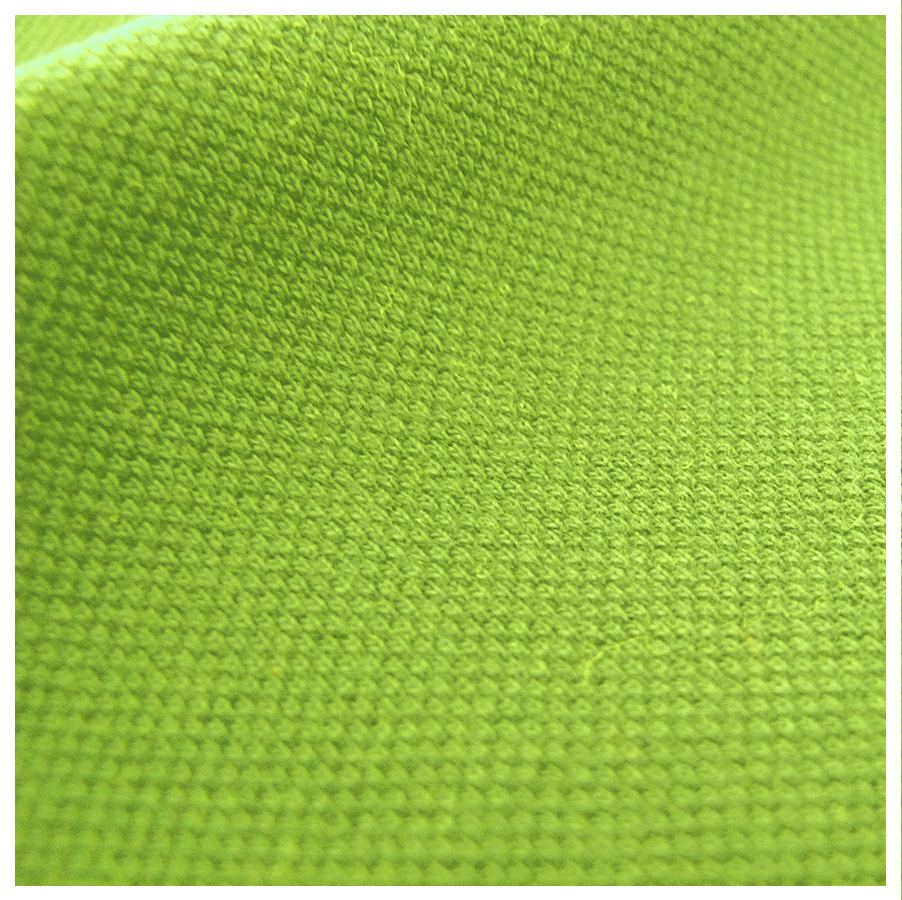
- In everyday Turkish trade language, penye is also the name of single-layer knitted cotton fabric, i.e. single jersey (süprem). A penye sheet is a sheet sewn from this knitted fabric; it differs from a woven cotton sheet in construction, not in material.
- Because almost any cotton single jersey may be called penye, the word alone does not tell you whether the fabric was knitted from combed yarn. Specify yarn type and count separately (e.g. Ne 30/1 combed).
| Term | What it describes | Definition | Specify in your order |
|---|---|---|---|
| Penye yarn | Yarn | Ring-spun yarn from combed cotton; more even, lustrous and less hairy than carded yarn | Fibre composition, yarn type and count (e.g. Ne 30/1 combed) |
| Penye fabric | Knitted fabric | Strictly, fabric knitted from combed yarn; in everyday use, single-layer knitted cotton fabric (single jersey) | Knit type, weight (g/m²), width, yarn type and count |
| Penye sheet | Finished product | Sheet sewn from knitted cotton fabric (jersey); often a fitted sheet | Size and mattress depth, fabric weight, yarn type, elastic |
01Penye yarn: combing the cotton
In cotton spinning the fibre is first opened, cleaned and carded. For carded yarn the process stops there, and most short fibres stay in the yarn. For combed (penye) yarn the carded sliver also passes through a comber, which removes short fibres and neps and lays the remaining long fibres parallel. The word comes from the French peigné, “combed”.
The result is a yarn that is more even, more lustrous, less hairy and stronger at the same count. That is why combed yarn is preferred for skin-contact jersey products such as duvet covers and fitted sheets. It has a price: part of the fibre is removed during combing, so combed yarn costs more than carded and open-end yarn.
Kayteks knits; we do not spin. We buy the combed cotton yarn used in our own knitting (Ne 20/1–40/1) from partner spinners and can also supply the same yarns with a sample cone and lot report. The full list of counts and yarn types is on our cotton yarn page.
Carded, combed, compact, open-end: a quick comparison
- Carded (ring): carded but not combed cotton. More economical; hairier and less even.
- Combed / penye (ring): carded and then combed cotton. Even, lustrous, low hairiness; the usual choice for jersey bedding.
- Compact: ring spinning that condenses the fibres to reduce hairiness further; strength and surface smoothness improve.
- Open-end (rotor): spun directly from sliver in a rotor. Bulky and economical; lower strength than ring yarn.
02Penye fabric: one word, two meanings
For fabric, “penye” has two meanings. Strictly, penye fabric is fabric knitted from combed yarn. In everyday and trade usage, however, penye has become the name of the single-layer knitted cotton fabric familiar from T-shirts, i.e. single jersey, called süprem in Turkish. That is why “penye or cotton?” is a confusing question: penye fabric is cotton too; the real difference is knitted versus woven.
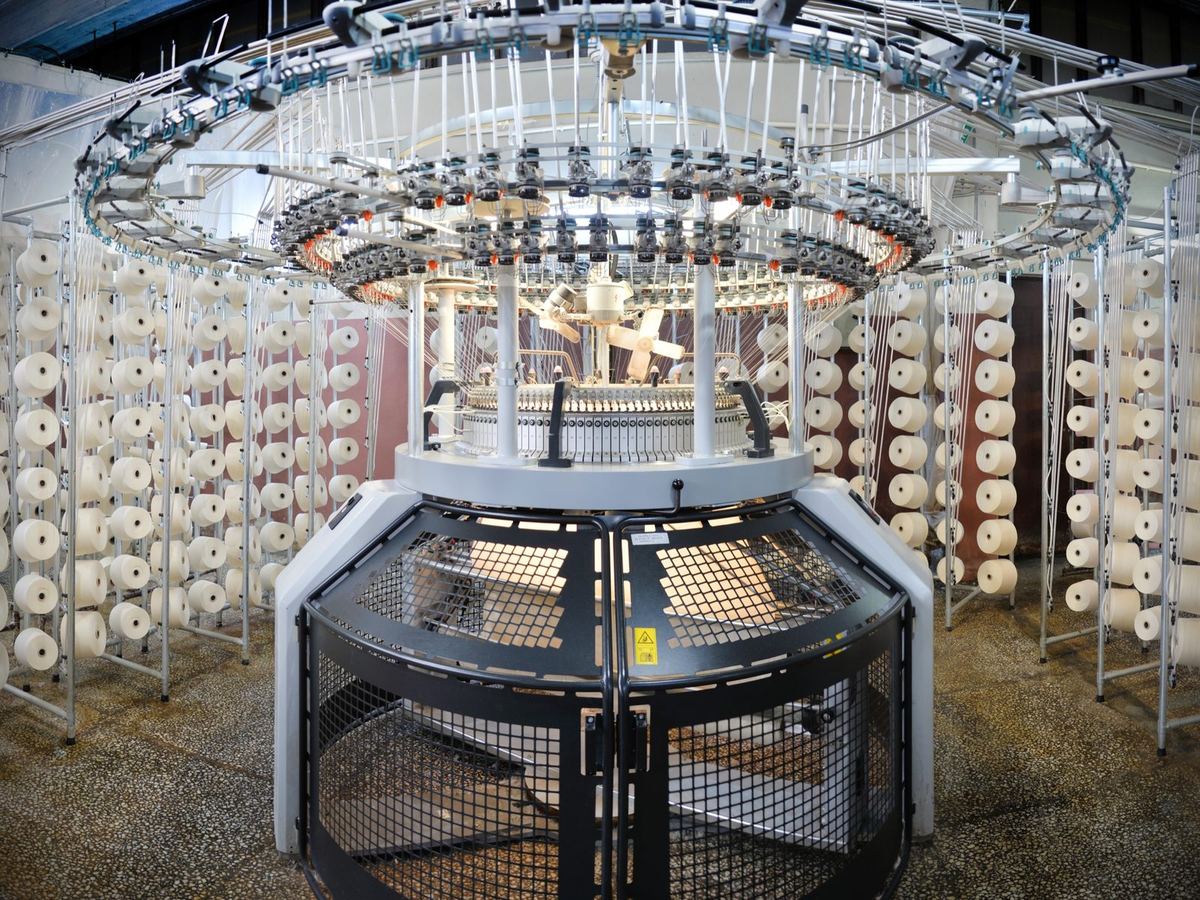
Some sources describe penye as a way of making fabric. More precisely, penye is a yarn preparation step, and the fabric-making method is knitting. In knitted fabric the yarn interlocks in loops on a circular knitting machine, so the fabric stretches and recovers. In woven fabric warp and weft yarns cross at right angles on a loom, and the structure does not stretch. Percale and sateen are woven; single jersey, rib and interlock are knitted.
A typical weight for combed single jersey is 120–200 g/m². Rib and interlock can also be knitted from combed yarn, but in everyday use they go by their own names. For qualities and weights, see our knitted fabric page.
Turkish trade terms and their English equivalents
- Penye iplik: combed yarn
- Karde iplik: carded yarn
- Open-end iplik: open-end (rotor) yarn
- Süprem: single jersey
- Ribana: rib
- İnterlok: interlock
03Penye sheets: knitted cotton sheets
A penye sheet is a sheet sewn from knitted cotton fabric (jersey). Its material can be the same as a woven cotton sheet; both can be 100% cotton. Construction makes the difference: knitted jersey stretches, hugs the mattress, wrinkles less and usually needs no ironing. Woven percale gives a crisper, cooler surface; sateen a smoother, more lustrous one.
Stretch matters most in fitted sheets: jersey makes it easier for an elasticated fitted sheet to sit on deep mattresses. That is why “penye sheet” in Turkish usually means a jersey fitted sheet. Most of our jersey duvet covers and fitted sheets are knitted from combed cotton yarn.
For a detailed comparison of jersey with woven cotton sheets — feel, warmth and care — read our jersey sheets guide.
04What to write instead of “penye”
“Penye” alone does not tell you whether a yarn, a fabric or a product is meant. When you request a quotation, stating these items separately avoids misunderstandings:
- Fibre composition: e.g. 100% cotton, cotton/elastane, organic cotton
- Yarn type: combed, carded, compact or open-end
- Yarn count: e.g. Ne 30/1 (count 30, single ply)
- Knit type: single jersey (süprem), rib or interlock
- Weight (g/m²) and fabric width
- Finishing: greige (ecru), dyed or printed; Pantone code for colour
- For finished products: size, mattress depth and elastic type
- If certification is required: e.g. GOTS or OCS for organic content
What you can ask Kayteks for
Request a quotation for combed yarn, combed single jersey fabric or jersey sheets and duvet covers with the details above; we reply with a price within 1 business day. If you are unsure about a field, leave it blank and describe the end use — we will choose the right count and weight with you.
05Frequently asked questions
What does penye mean?
Penye is the Turkish term for combing: before spinning, cotton is combed to remove short fibres, neps and impurities. Yarn spun from this cotton is penye (combed) yarn. In everyday Turkish the same word is also used for knitted cotton single jersey fabric and for sheets made from it.
Is penye a fabric or a material?
Strictly, neither; penye is a yarn preparation step. The material is cotton, and the fabric-making method is knitting. Penye fabric usually means single jersey knitted from combed cotton yarn.
What is the difference between penye and cotton sheets?
Penye sheets are cotton too. The real difference is construction: a penye sheet is knitted (jersey), while a classic cotton sheet is woven (percale, sateen). Knitted fabric stretches and wrinkles less; woven fabric gives a crisper, flatter surface.
What is the difference between combed and carded yarn?
In carded yarn the cotton only passes through the card, and most short fibres stay in the yarn. In combed yarn a comber also removes short fibres and neps, so the yarn is more even, lustrous, less hairy and stronger — and more expensive.
What is the difference between combed and open-end yarn?
Combed yarn is ring-spun from cotton that has been combed to remove short fibres and neps; it is even, lustrous and low in hairiness. Open-end yarn is spun directly from sliver in a rotor; it is bulkier and more economical, but its strength and surface evenness are lower than combed yarn.
What does 30/1 combed mean?
30/1 means English cotton count Ne 30, single ply; it corresponds to about 19.7 tex (Nm 50.8). Combed means the yarn is spun from combed cotton. It is one of the most common counts for jersey bedding and single jersey fabric.
Is every penye fabric knitted from combed yarn?
Not always. Because penye is also used as a general name for cotton single jersey, fabric knitted from carded or open-end yarn may be called penye too. To be sure the fabric is knitted from combed yarn, specify yarn type and count in your order.
Looking for combed yarn, jersey fabric or jersey sheets?
Send us yarn type, count, fabric weight and quantity; we will come back with a quotation within 1 business day. You can also meet us at Heimtextil 2027 in Frankfurt, Hall 5.0 / Booth A30.