The difference between jersey and cotton sheets isn't about the material — it's about how the fabric is constructed. Jersey sheets are made from knitted cotton, while traditional sheets (percale and sateen) are made from woven cotton. Both start with the same raw material: cotton yarn. Understanding this distinction is the key to choosing the right sheets for how you sleep.
If you've ever searched "jersey vs cotton sheets," you've likely found articles treating them as two separate materials. They're not. After 15 years of manufacturing knitted textiles — and producing millions of fitted sheets for brands like IKEA and Beddinghouse — we'll explain what actually sets these sheets apart, where each one performs best, and how to tell a quality jersey sheet from a cheap one.
The Misconception: Jersey IS Cotton
This is the single most important thing to understand when comparing jersey vs cotton sheets: jersey is not a different material from cotton. Jersey is a way of constructing fabric.
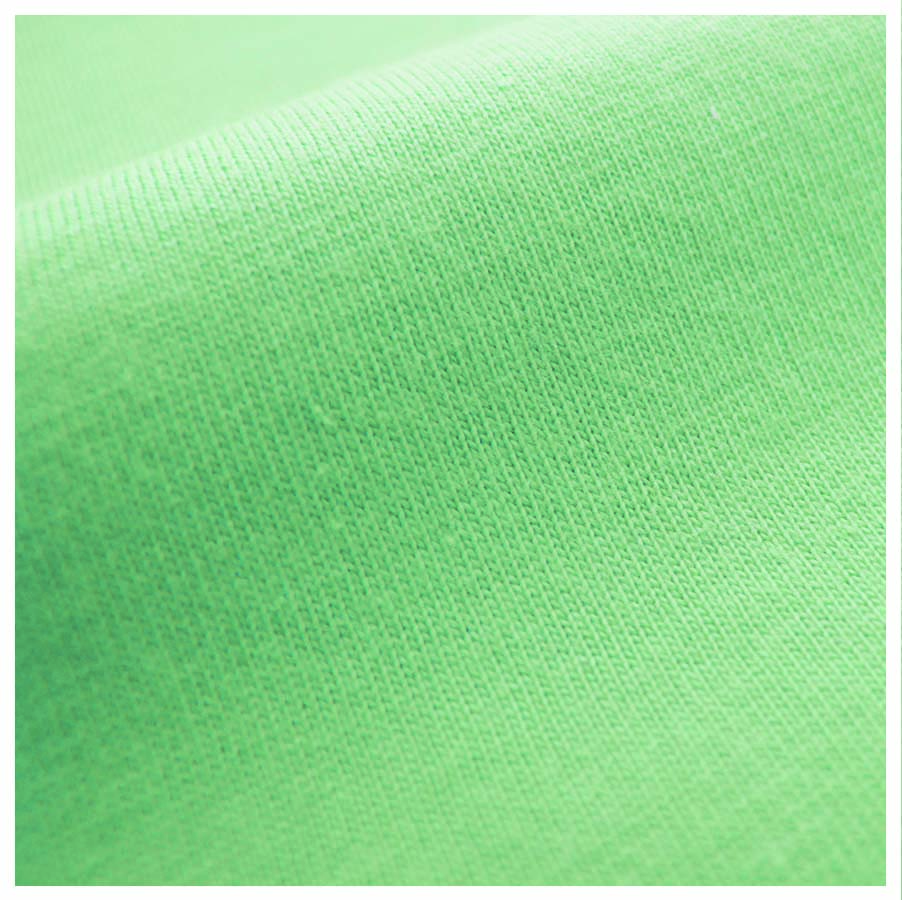
- Jersey (knit): Cotton yarn is looped together on a circular knitting machine, creating an interlocked fabric with natural stretch. Think of your favorite t-shirt — that's jersey knit.
- Percale (woven): Cotton yarn is interlaced in a one-over, one-under pattern on a loom, creating a flat, structured fabric with a crisp hand feel.
- Sateen (woven): Cotton yarn is woven in a four-over, one-under pattern, creating a smooth, slightly lustrous surface with a silky drape.
All three fabrics can be made from identical cotton yarn. The construction method determines how the sheet feels, stretches, breathes, and ages.
We've been manufacturing knitted textiles since our founding in Denizli, Turkey — a region known globally for its textile expertise. Our production runs from raw yarn to finished product under one roof.
Jersey Sheets at a Glance
Jersey knit fabric is produced on circular knitting machines that interlock cotton yarn into rows of tiny loops. This loop structure is what gives jersey its defining characteristics: stretch, softness, and recovery.
How Jersey Fabric Is Made
Raw cotton yarn (ideally combed cotton, which removes short fibers for a smoother result) feeds into a circular knitting machine. Needles loop the yarn row by row, creating a continuous tube of fabric. That tube is then slit open, dyed using reactive dyes for colorfastness, and finished to the target GSM.
A quality jersey sheet falls between 140 and 180 GSM. Below 120 GSM, the fabric feels thin and pills quickly. Above 200 GSM, it traps too much heat for most sleepers.
What Makes Jersey Different
- 360-degree stretch: The loop construction allows the fabric to stretch in all directions and snap back to shape. This is why jersey fitted sheets hug a mattress instead of popping off the corners.
- Soft from day one: Unlike percale, which needs several washes to soften, jersey feels broken-in immediately.
- Wrinkle-resistant: The knit structure resists creasing. You can fold jersey sheets straight from the dryer to the bed with no ironing.
- Naturally insulating: The loop structure traps small pockets of air, making jersey slightly warmer than woven alternatives at the same weight.
Combed Cotton vs Regular Cotton
The yarn quality matters as much as the construction. Combed cotton goes through an extra processing step that removes short fibers and impurities, leaving only the longest, strongest fibers. Sheets made from combed cotton are softer, more durable, and significantly less prone to pilling.
At our facility, every jersey sheet we produce uses 100% combed cotton yarn.
Woven Cotton Sheets at a Glance
Percale
Percale uses a simple one-over, one-under weave. It produces a matte-finish fabric that feels cool, crisp, and structured — the classic "hotel sheet" feel.
Strengths: Excellent breathability, gets softer over time, lightweight feel.
Weaknesses: Wrinkles easily, no stretch, feels stiff when new.
Sateen
Sateen uses a four-over, one-under weave that exposes more surface yarn, creating a smooth, slightly shiny finish.
Strengths: Smooth feel, elegant drape, moderate warmth.
Weaknesses: Less breathable than percale, may pill over time, can feel slippery.
Jersey vs Woven Cotton: Head-to-Head Comparison
FactorJersey KnitWoven Cotton (Percale / Sateen)Material100% cotton (knitted)100% cotton (woven)FeelSoft, stretchy, t-shirt-likeCrisp and cool (percale) or silky smooth (sateen)Stretch360-degree stretch, hugs mattressNo stretch; fitted sheets can slip offWrinklesWrinkle-resistant, no ironing neededWrinkle-prone, especially percaleBreathabilityGood — moderate airflowExcellent (percale) / Good (sateen)WarmthWarmer, insulatingCooler, especially percalePillingPossible if GSM is lowRare with percale; possible with sateenDeep Pocket FitExcellent — 25-35 cm mattressesPoor — corners pop offIroningNot neededOften neededBest SeasonYear-round, especially fall/winterSpring/summer (percale), fall (sateen)Quality MetricGSM (target: 140-180)Thread count (target: 200-400)Who Should Choose Jersey Sheets?
- You sleep cold. The loop structure traps warmth more effectively than a flat weave.
- You have a thick mattress (25 cm or deeper). Jersey stretches to accommodate mattress depths up to 35 cm without losing tension.
- You hate ironing. Jersey comes out of the dryer ready for the bed.
- You want softness immediately. Quality percale gets softer over time, but jersey is already there on night one.
- You have kids. Jersey handles frequent hot washes well (up to 60°C), dries quickly, and doesn't demand careful treatment.
Who Should Choose Woven Cotton Sheets?
- You sleep hot. Percale's open weave structure is more breathable than jersey's loop construction.
- You prefer a crisp, hotel-style feel. That cool, smooth-against-skin sensation is percale. Jersey can't replicate it.
- You value long-term structure. Percale maintains its flat, even surface for years.
- You have a standard-depth mattress. If your mattress is under 25 cm, the stretch advantage of jersey is less relevant.
What to Look for When Buying Jersey Sheets
GSM: The Number That Matters Most
- Under 120 GSM: Thin, see-through, pills within weeks. Avoid.
- 120-140 GSM: Budget range. Acceptable for guest rooms or light use.
- 140-160 GSM: The sweet spot. This is the range we produce most of our sheets in.
- 160-180 GSM: Premium weight. Ideal for cold climates.
- Above 200 GSM: Heavy. Not recommended for bedding.
Yarn Quality
Look for 100% combed cotton. If the label just says "cotton" without specifying combed or ring-spun, it's likely carded cotton — cheaper, rougher, and prone to pilling.
OEKO-TEX Certification
OEKO-TEX Standard 100 certification means the fabric has been independently tested for harmful substances. Every sheet we manufacture carries this certification.
Care Guide
Jersey Knit Care
- Washing: Machine wash at 40-60°C. Jersey handles hot water well.
- Drying: Tumble dry on medium. Remove promptly.
- Pilling prevention: Wash jersey sheets separately from rough fabrics like towels and denim.
- Ironing: Not needed.
Woven Cotton Care
- Washing: Machine wash at 40°C.
- Drying: Tumble dry on low. Remove immediately to reduce wrinkles.
- Ironing: Percale typically needs ironing for a crisp look.
- Softening: Percale improves with every wash. Avoid fabric softener.
The Bottom Line
Jersey vs cotton sheets is not a material comparison — it's a construction comparison. Both are cotton. Jersey is knitted; percale and sateen are woven. Jersey delivers stretch, softness, wrinkle resistance, and superior deep-pocket fit. Woven cotton delivers breathability, crispness, and a cooler sleep surface.
The quality of either construction depends on the raw materials — combed cotton yarn, appropriate weight (140-180 GSM for jersey, 200-400 thread count for woven), and safety certifications like OEKO-TEX Standard 100.
We've built our entire manufacturing operation around knitted textiles because we believe the construction offers a better fit, a better feel, and a better night's sleep for most people. But both constructions have their place, and the best sheet is the one that matches how you actually sleep.
📧 [email protected] | 🌐 www.kayteks.com